Integrated Transport +

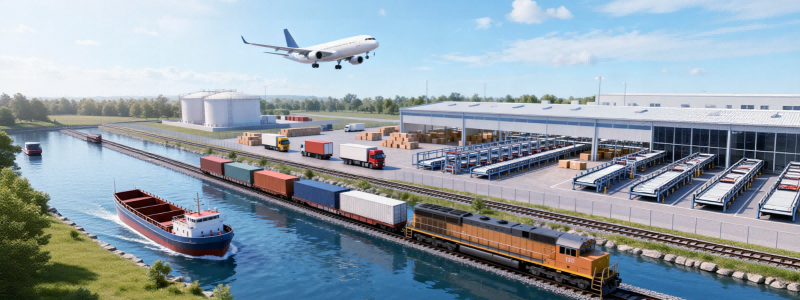
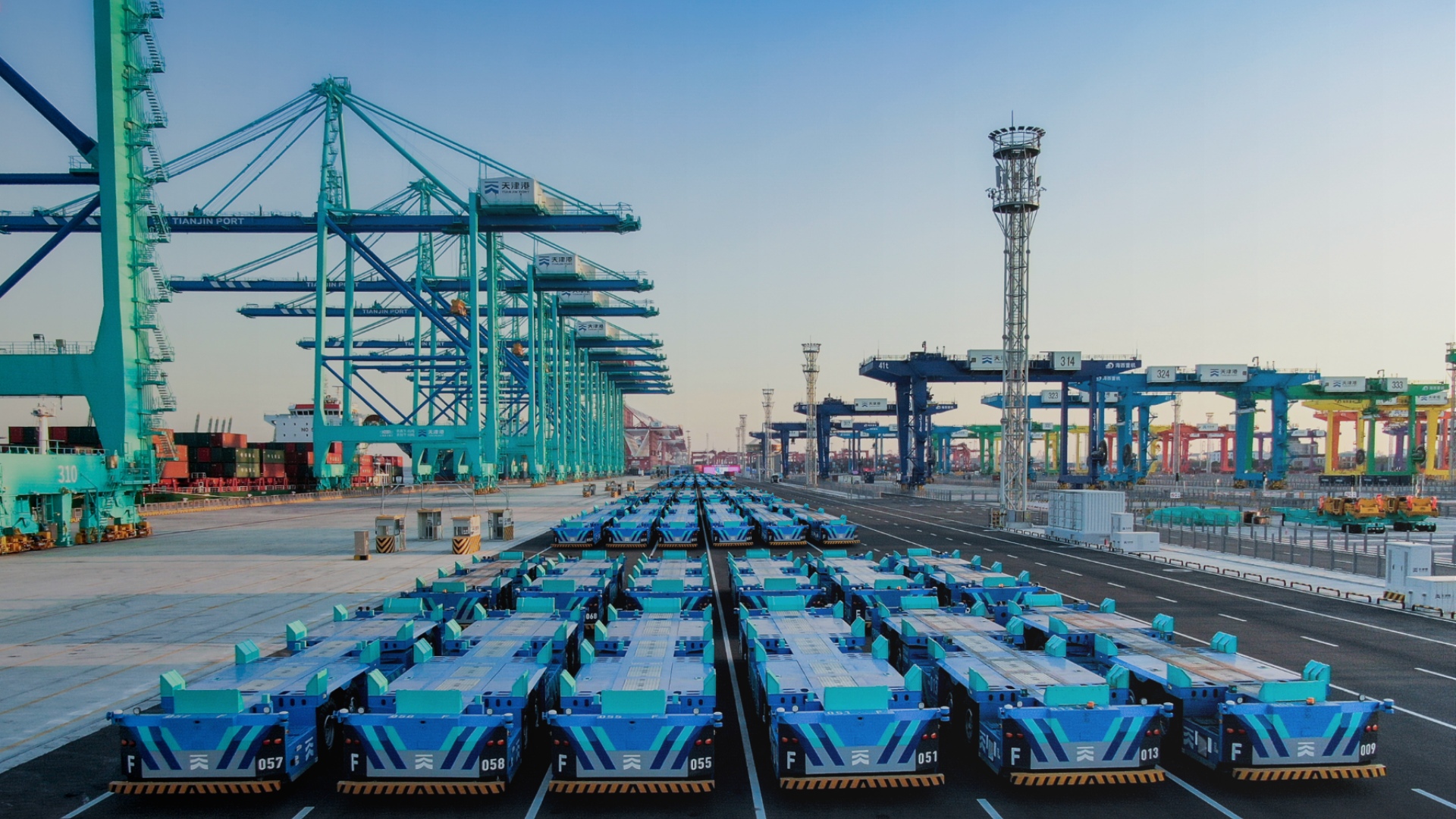
According to the categories of transport corridors, transport modes are classified into waterway transport, road transport, railway transport, airway transport, pipeline transport, container transport, and postal & express delivery services. Focusing on freight waterway transport as its core, the research scope of Top 50 Shipping Elites Research Center integrates transport resources including railway, road and air transport, and extends to container multimodal transport as well as postal and express delivery services.
Waterway Transport

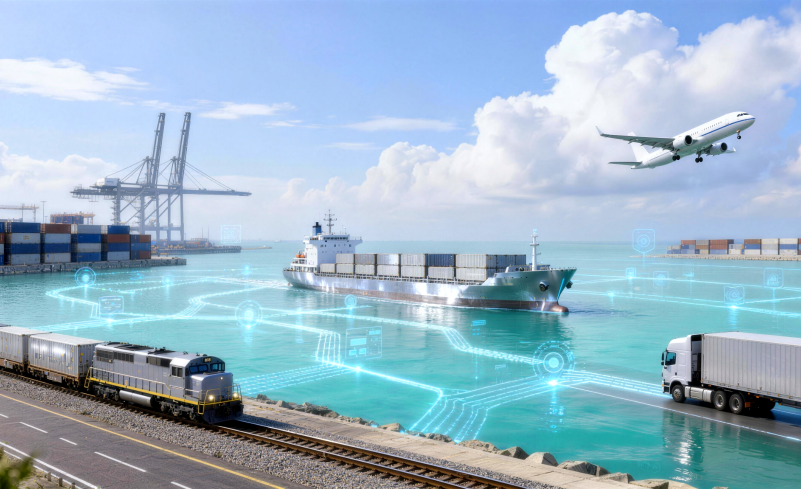
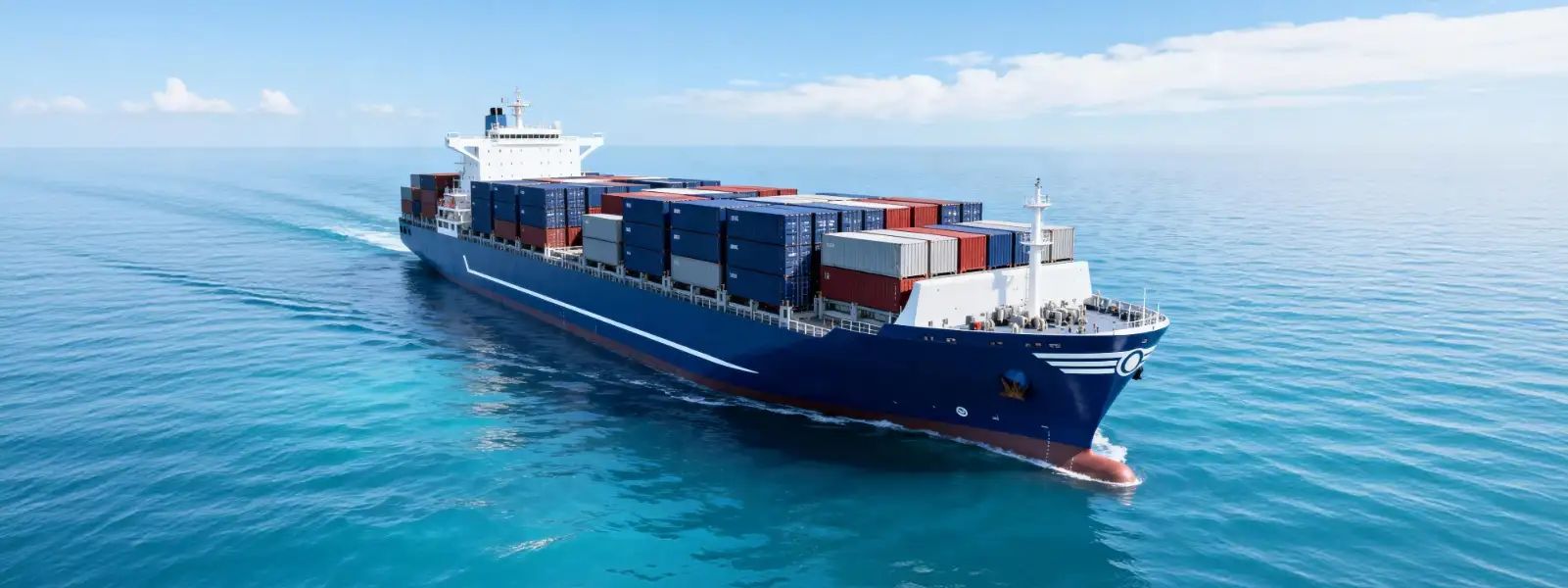
Waterway freight transport uses ships as carriers. By navigation waters, it is divided into inland waterway, coastal, nearocean and ocean transport. By ship operation modes, it is divided into ship chartering, time chartering, voyage chartering and liner shipping. By cargo types, it covers dry bulk, liquid cargo, manufactured goods, complete equipment transport, dangerous goods transport, refrigerated cargo transport, etc.

Parties involved in waterway transport include direct parties (shipper, carrier and consignee) and indirect parties (port, ship management, ship agency, ship supply, international freight forwarder, cargo tallying, ship survey, seaman labor service, shipping broker, bank, insurance institution, etc.).

Road Transport

Road freight transport uses motor vehicles as carriers. By geographical scope, it is divided into urban transport (urban distribution), interprovincial transport (special line transport) and international transport. By organization modes, it is divided into fulltruck load (FTL), lessthantruck load (LTL), unitized and dropandpull transport. By loading conditions, it covers general cargo, heavy cargo, overlimit cargo, overlength & oversized cargo, containerized cargo transport, etc. By cargo types, it includes general cargo, dry bulk, liquid bulk, heavylift cargo, complete equipment, vehicles, refrigerated cargo, live animals, etc.

Parties involved include direct parties (road transport enterprise, shipper, consignee) and indirect parties (logistics park, distribution center, freight forwarder, bank, insurance institution, etc.).

Railway Transport

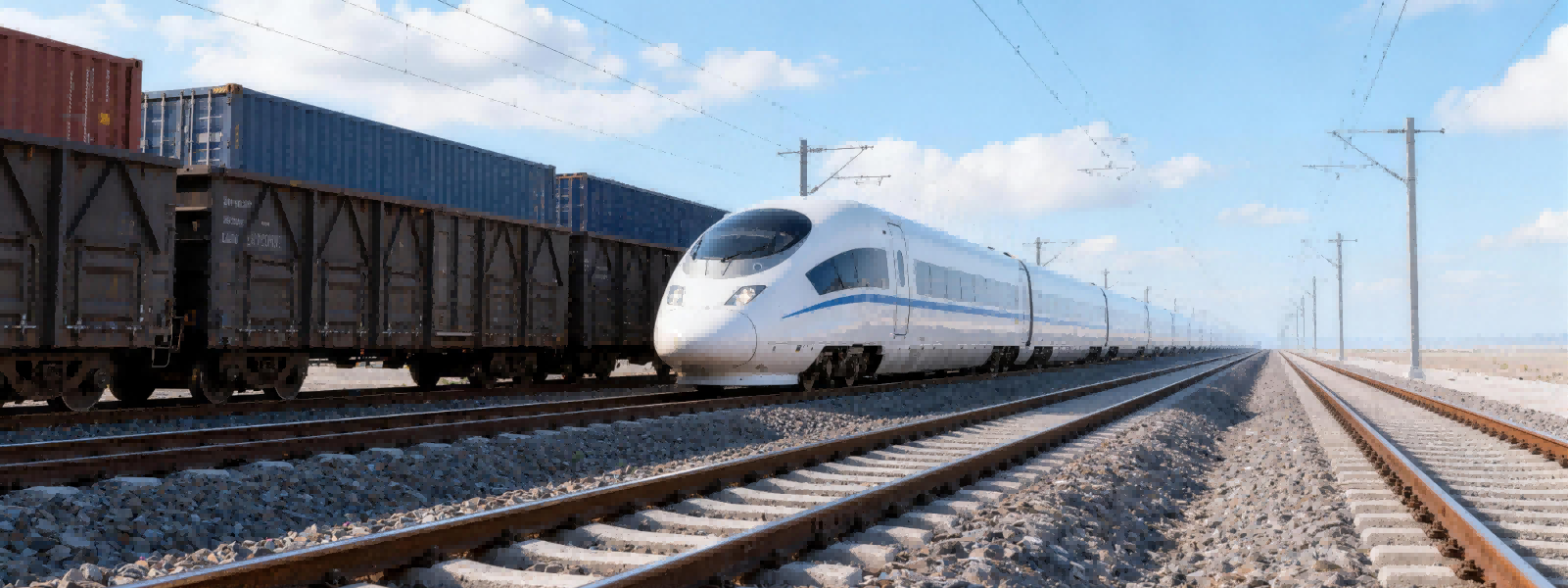
Railway freight transport is provided by locomotives and wagons running on prelaid tracks. By route scope, it is divided into domestic transport, international railway through transport and transport to Hong Kong. By organization modes, it is divided into fullcar load, lessthancar load, unitized, scheduled train and special train transport. By loading conditions, it covers general cargo, heavy cargo, overlimit cargo, overlength & oversized cargo, containerized cargo transport, etc. By cargo types, it includes general cargo, dry bulk, liquid bulk, heavylift cargo, complete equipment, vehicles, refrigerated cargo, live animals, etc.

Parties involved include direct parties (railway company, shipper, consignee) and indirect parties (station, railway administration, railway freight forwarder, bank, insurance institution, etc.).

Airway Transport

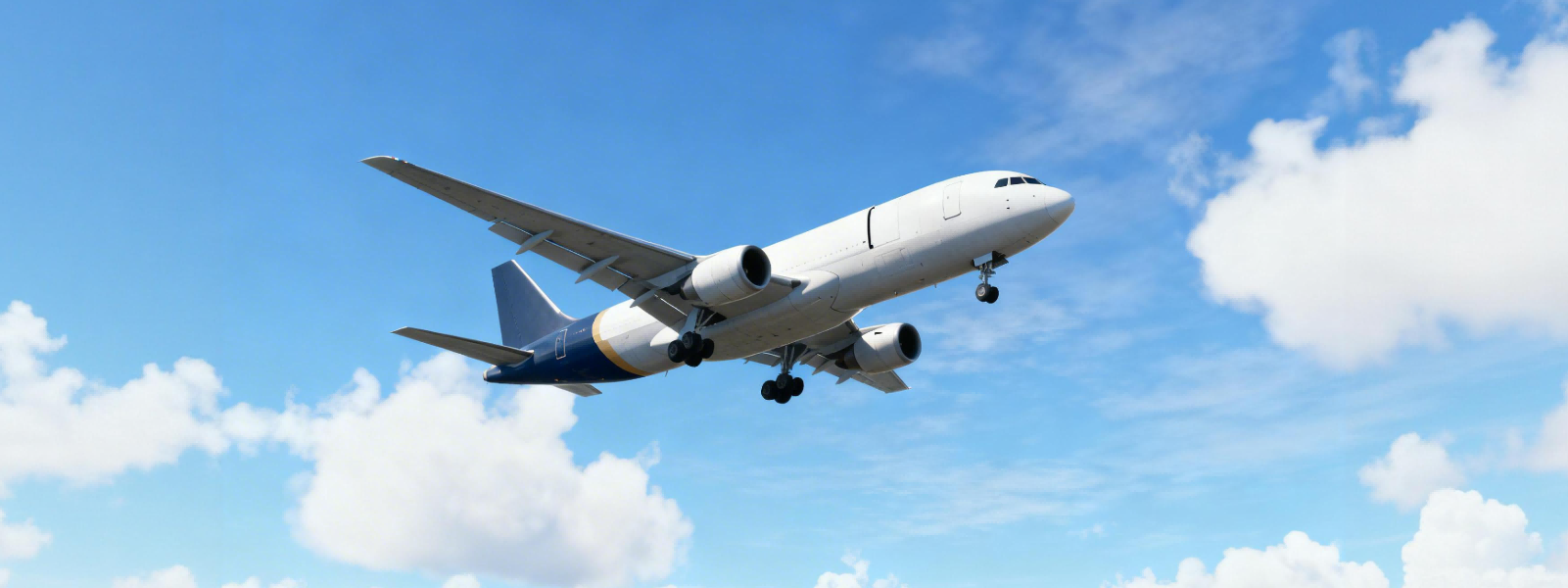
Airway freight transport uses aircraft as carriers. By airspace, it is divided into domestic, international regional feeder and international trunk transport. By operation modes, it is divided into combination carriers, allcargo carriers, aircraft chartering and aircraft leasing transport. Air freight mainly carries packaged manufactured goods or countable live animals.

Parties involved include direct parties (airline, air freight forwarder, shipper, consignee) and indirect parties (aircraft owner, airport, aircraft leasing broker, aviation supply company, flight crew service company, aircraft safety inspection company, bank, insurance institution, etc.).

Pipeline Transport

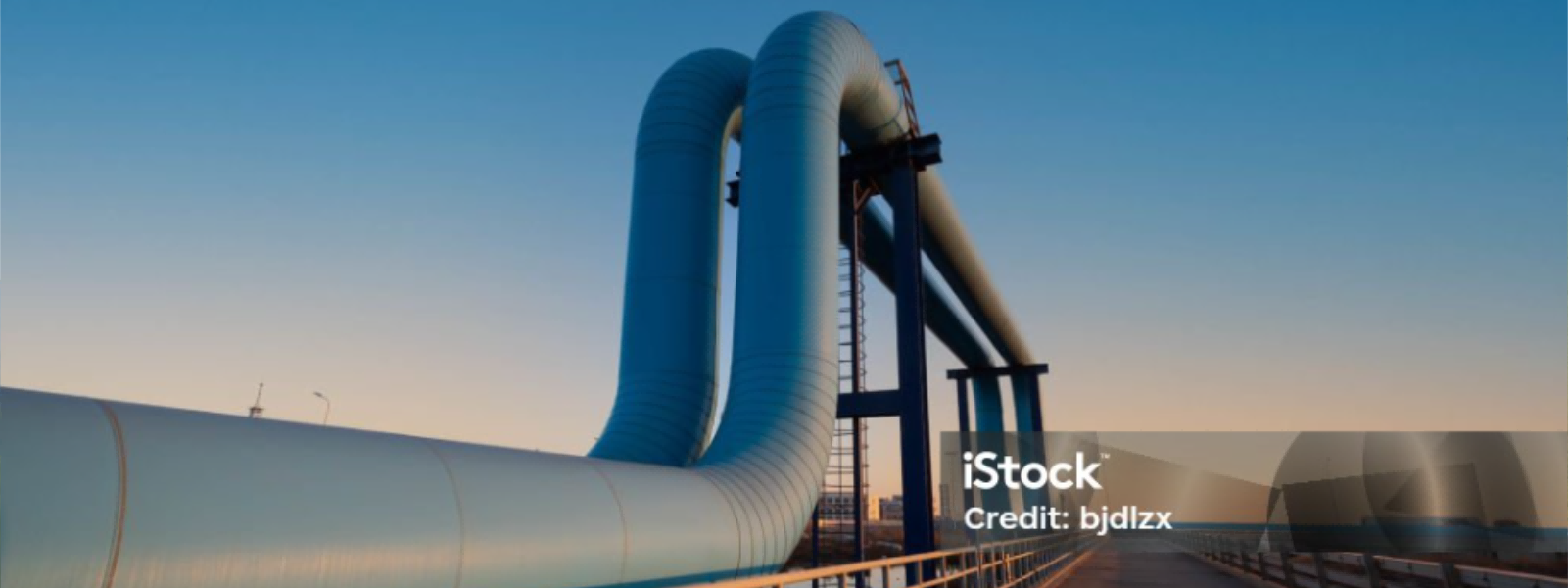
Pipeline freight transport is one of the oldest modes that realizes cargo movement through pipelines as both carriers and passages. At present, it is mainly used for gas and liquid commodities. Pipeline systems are widely applied. Besides longdistance pipelines for crude oil, refined oil and natural gas, pipelines are commonly used for cargo handover when liquid and gaseous goods are handled via waterway, air, railway and road transport. Most pipeline transport in China is selfservice by asset owners.

Container Transport

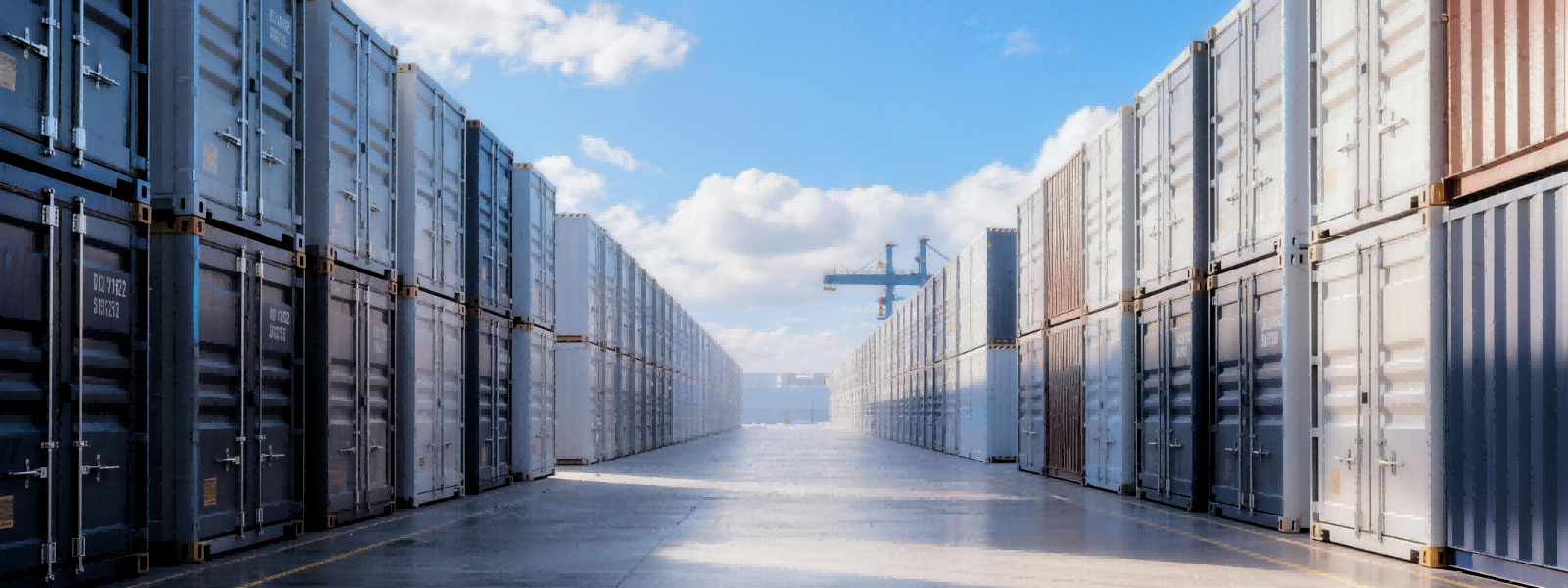
Containers have long been in use. Containers in the industry generally refer to standardized cargo containers defined by ISO/TC 104 of the International Organization for Standardization. Transporting cargo inside containers facilitates cargo handover between carriers across waterway, railway and road transport, thus supporting multimodal transport.

The most widely used container in international logistics is the 40foot standard container, followed by the 20foot standard container. These containers are mainly owned and operated by liner companies, followed by international railway through transport companies and thirdparty logistics companies.

Postal & Express Delivery Services

Postal transport is operated under the Universal Postal Union Convention and the Postal Law, using any single or combined mode of waterway, air, railway and road transport. It includes letters, parcels, express mail service (EMS), etc. In China, the express delivery and express logistics industry is regulated by the State Post Bureau.