Supply Chain Logistics +

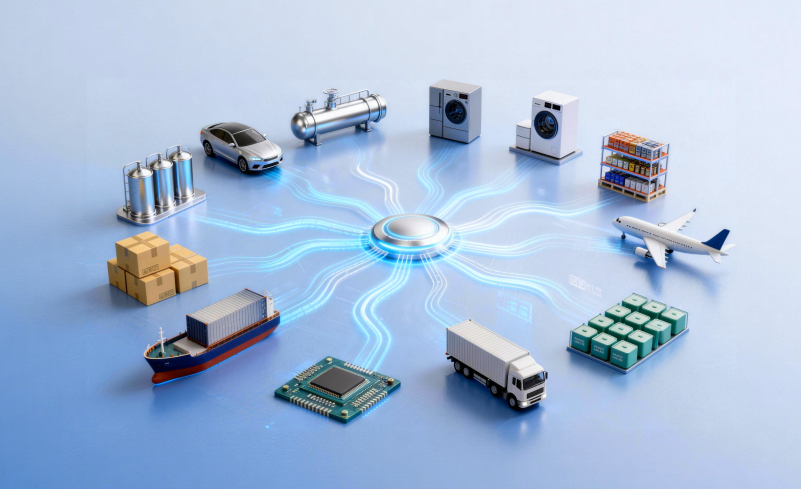
Supply chain logistics is categorized by industrial form into port and shipping supply chain logistics, commercial supply chain logistics, cross-border e-commerce supply chain logistics, manufacturing supply chain logistics, agriculture, animal husbandry and fishery supply chain logistics, etc.

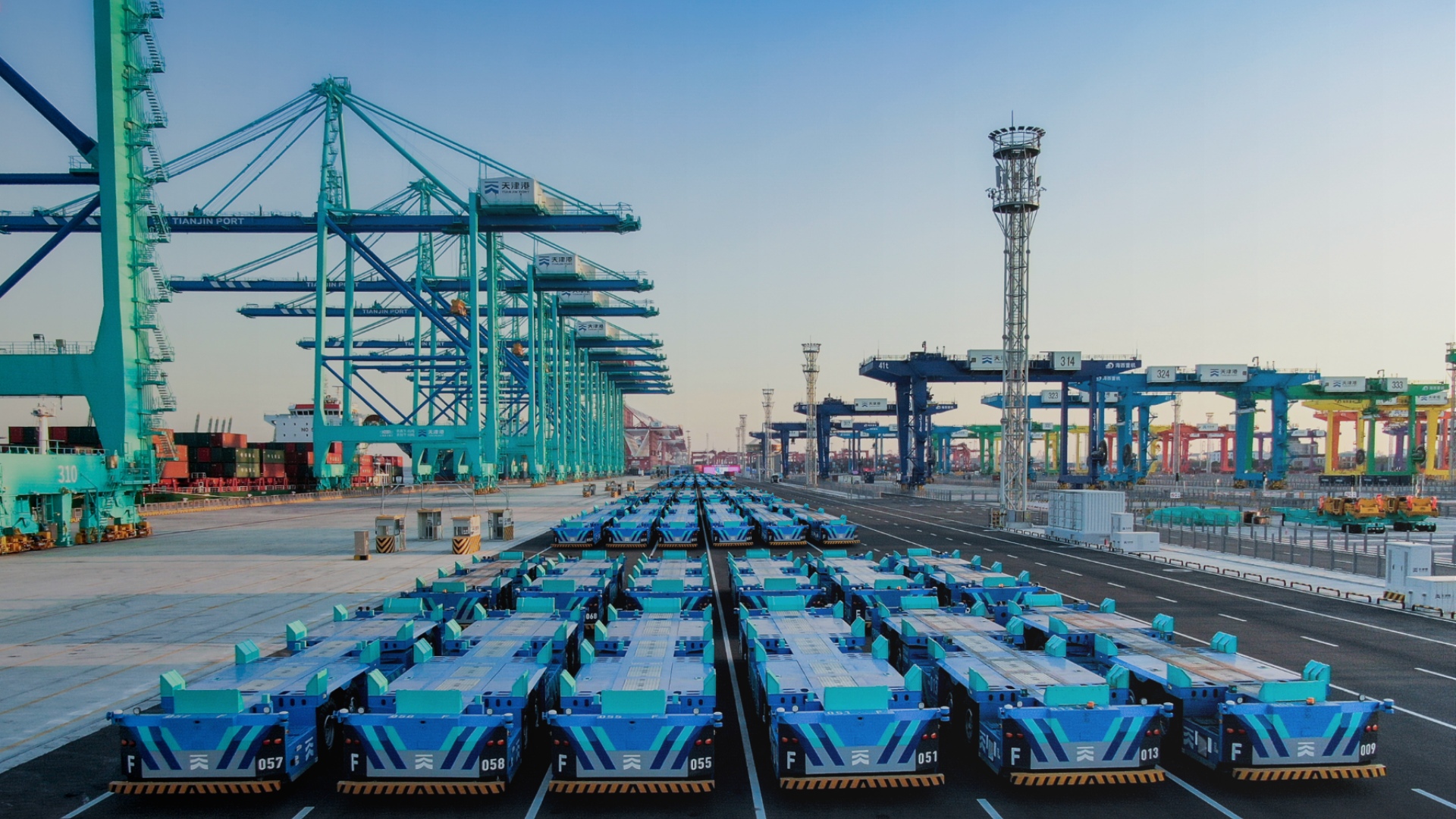
Port & Shipping Supply Chain Logistics

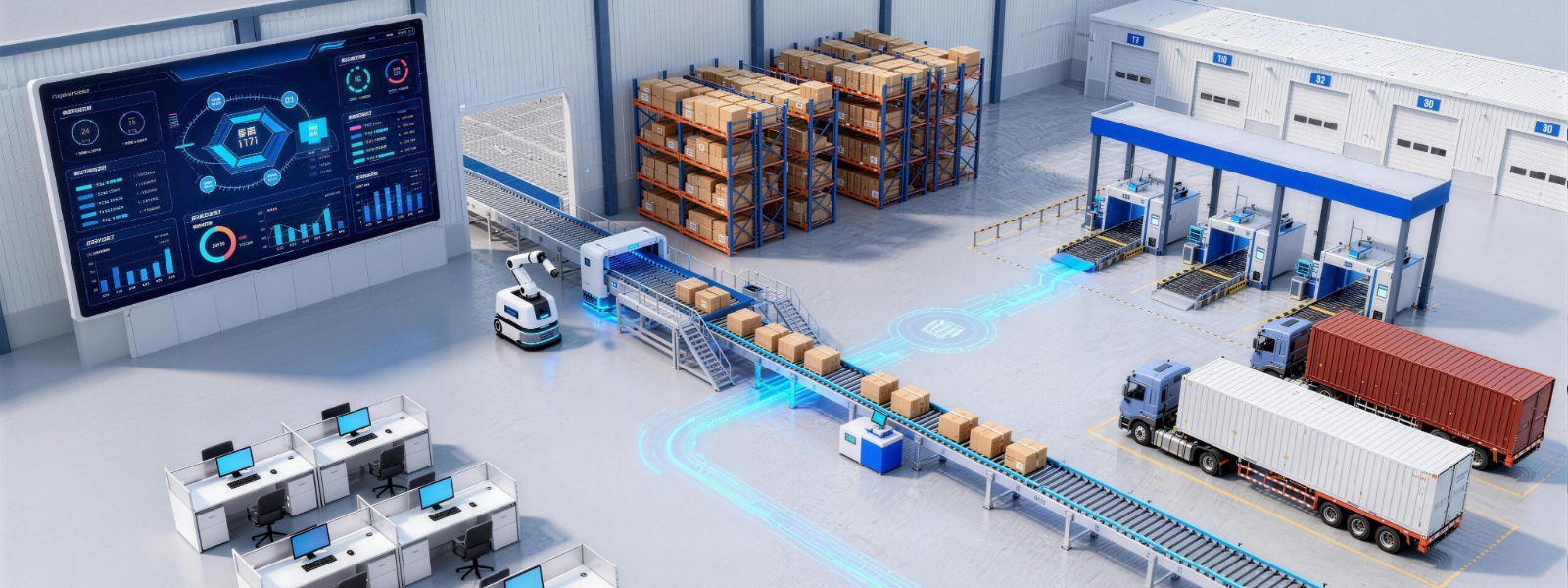
Port and shipping supply chain logistics is a typical service-oriented supply chain, also known as a "service chain" and "resource chain". In response to the cross-border sales needs of manufacturing and commercial enterprises, it integrates various resources including transportation, warehousing, customs declaration, loading and unloading, handling, packaging, distribution processing and information technology to enhance the brand image of goods through perfect delivery and necessary recycling.

The characteristics of port and shipping supply chain logistics make it extremely sensitive to external capacity fluctuations and policy changes, while requiring high internal capabilities in resource integration, professional knowledge and digitalization. For example, it needs to establish strategic cooperation with core carriers and build multimodal transport alternatives including ocean, air and railway transport to fulfill commitments to customers under any fluctuations. It also needs the ability to integrate data from all participants in the chain and provide door-to-door full-process visual services.

Commercial Supply Chain Logistics

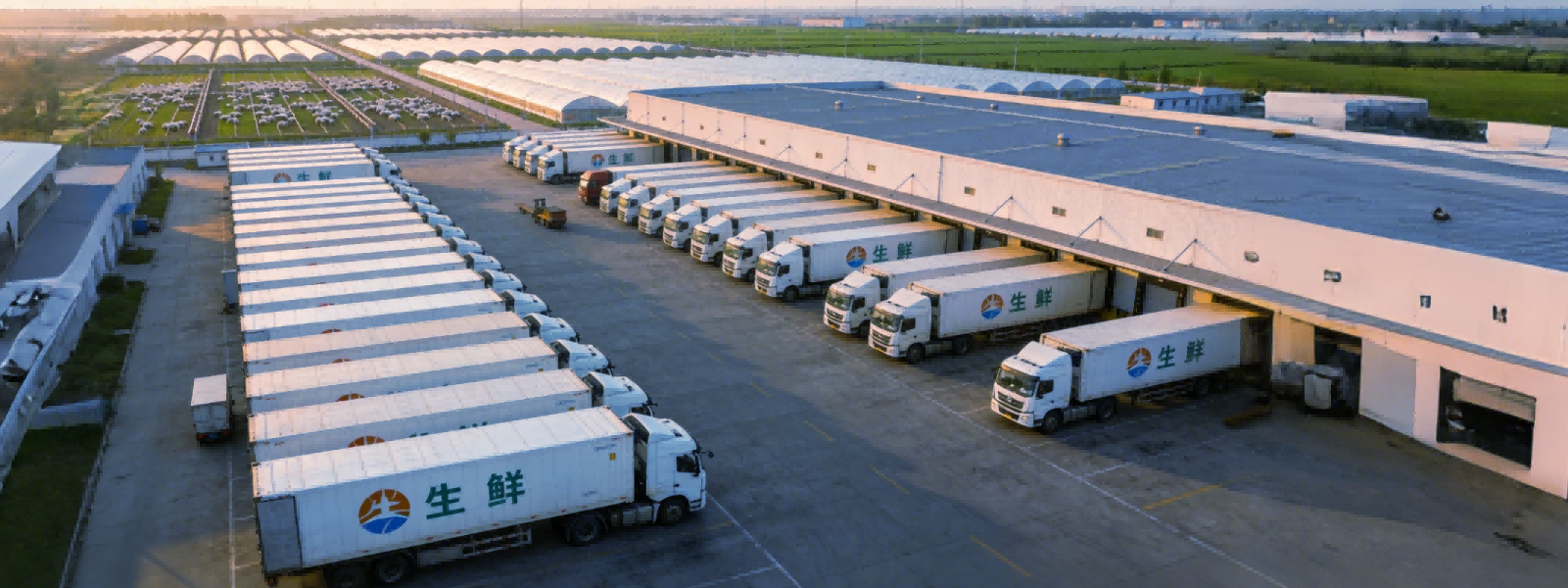
Commercial supply chains usually take agriculture, animal husbandry and fishery supply chains or manufacturing supply chains as the front end and directly serve consumers. According to different business models, they are divided into three major types: wholesale and retail, supermarkets and e-commerce platforms.

Commercial supply chain logistics is customer demand-oriented, featuring multi-link collaboration among suppliers, distributors, retailers and third-party logistics service providers, complex inventory management, a high degree of informatization and digitalization, and strict requirements for timeliness and reliability of goods delivery. Therefore, it demands a high level of logistics informatization and digitalization. These features jointly determine that commercial supply chain logistics must have high agility, integration capability and technical support.

Cross-Border E-Commerce Supply Chain Logistics

Cross-border e-commerce supply chains are centered on cross-border e-commerce platforms and oriented to consumer demand, with distinct characteristics such as high globalization, multi-agent collaboration, complex processes, policy sensitivity, and equal emphasis on timeliness and experience.

Manufacturing Supply Chain Logistics

Manufacturing supply chain logistics can be divided into five stages: inbound logistics of raw materials and parts, finished goods logistics, spare parts logistics, reverse logistics and waste logistics. These five stages cover the entire life cycle of a product from "birth" to "retirement", reflecting industrial characteristics of high integration, multi-agent collaboration, strict timeliness constraints and green sustainability orientation.

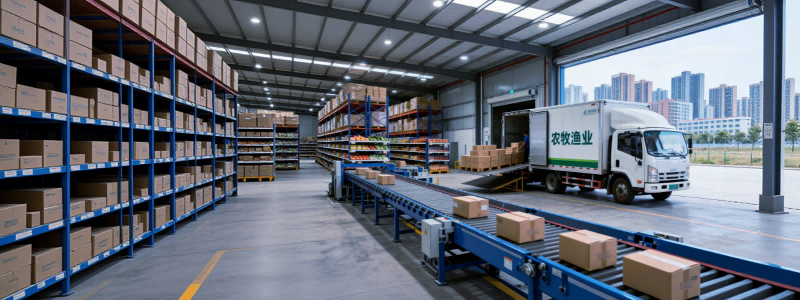
Agriculture, Animal Husbandry & Fishery Supply Chain Logistics

The common feature of agriculture, animal husbandry and fishery is that products have growth cycles and seasonality, and highly depend on the natural geography and climate of the origin.