

China’s First Industry-Specific ESG Standard Released, Marking a New Stage for ESG Implementation of Domestic Shipping & Logistics Enterprises
On June 12, the global launch ceremony of General Rules for ESG Evaluation of International Shipping and Logistics Enterprises was grandly held at the opening ceremony of the 3rd Tianjin International Shipping Industry Expo.
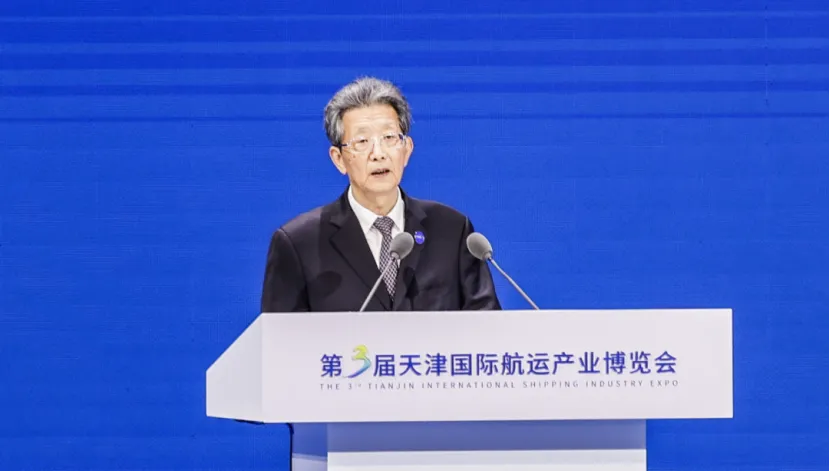 Zhang Gong, Mayor of Tianjin
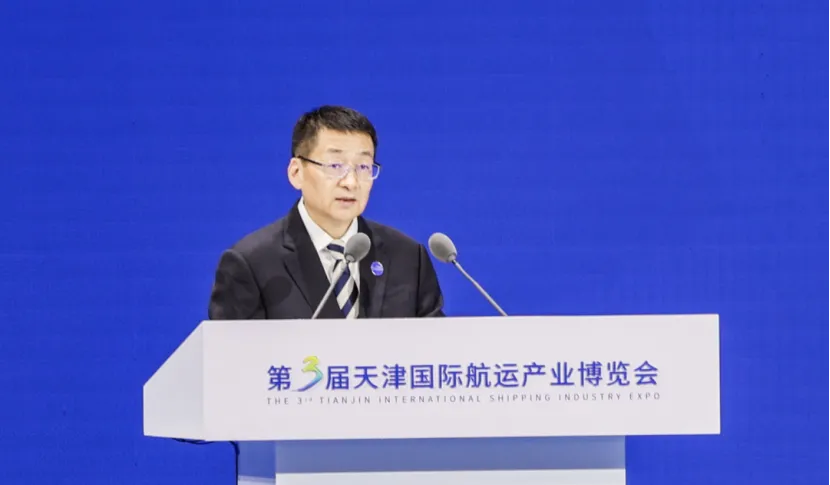 Li Yang, Vice Minister of Transport
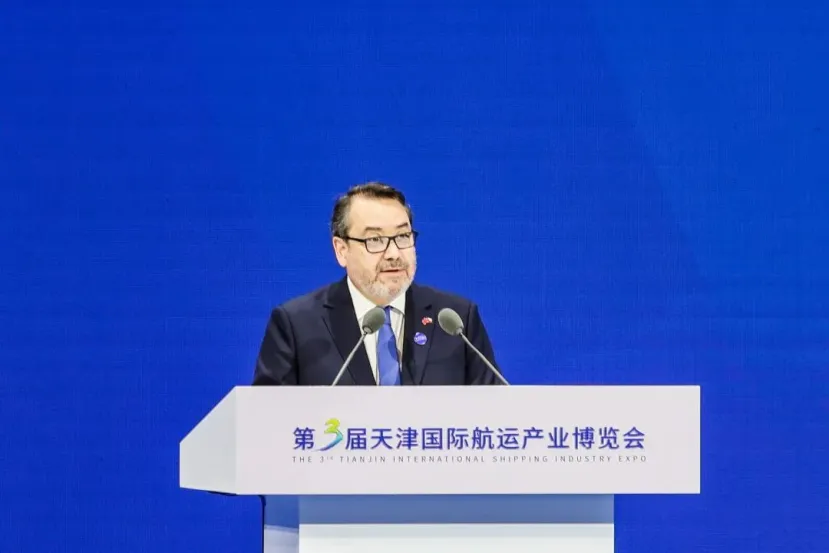 Ariane Arriagada, Ambassador of Chile to China
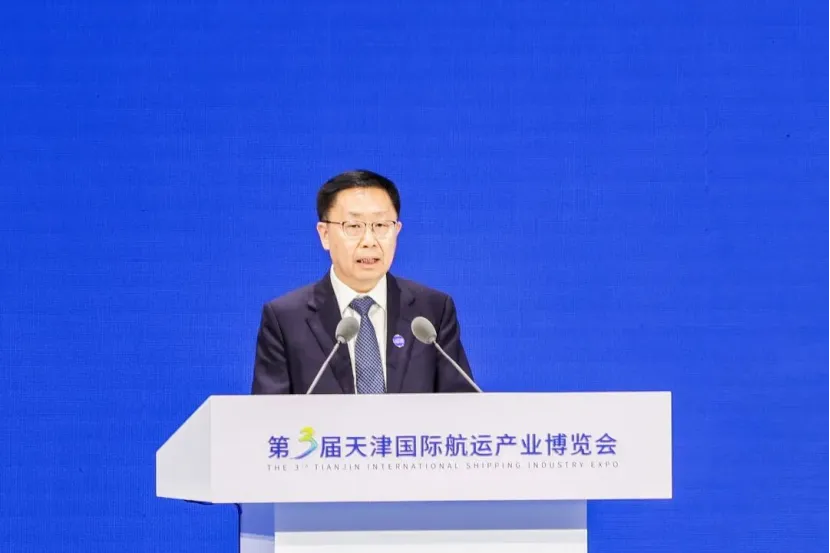 Wang Xiufeng, Vice Mayor of Tianjin
Zhang Gong, Mayor of Tianjin; Li Yang, Vice Minister of Transport; Ariane Arriagada, Ambassador of Chile to China and other leaders and distinguished guests attended the opening ceremony and delivered speeches. Guests from world-renowned shipping companies, consulting institutions, universities and research institutes delivered keynote speeches covering topics including resilient development of global supply chains, construction of green shipping corridors, and the implementation of smart port and shipping applications. Wang Xiufeng, Vice Mayor of Tianjin, presided over the opening ceremony.
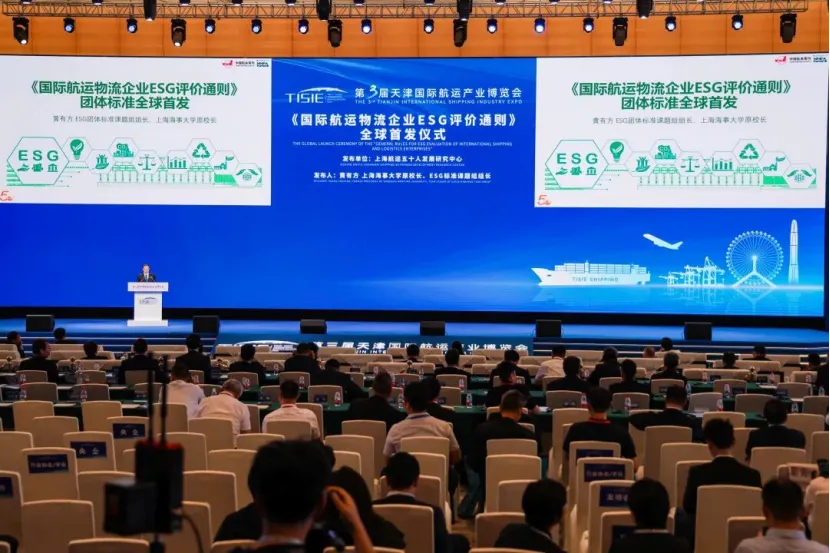 Global Launch Ceremony of General Rules for ESG Evaluation of International Shipping and Logistics Enterprises
Witnessed by the above guests, the global debut of General Rules for ESG Evaluation of International Shipping and Logistics Enterprises, compiled by the Top 50 Shipping Elites Research Center, took place. Professor Huang Youfang, Leader of the Research Group, Director of the Logistics Teaching Steering Committee under the Ministry of Education and Former President of Shanghai Maritime University, hosted the launch ceremony. He elaborated on the background and significance of standard formulation and shared prospects for its future application.
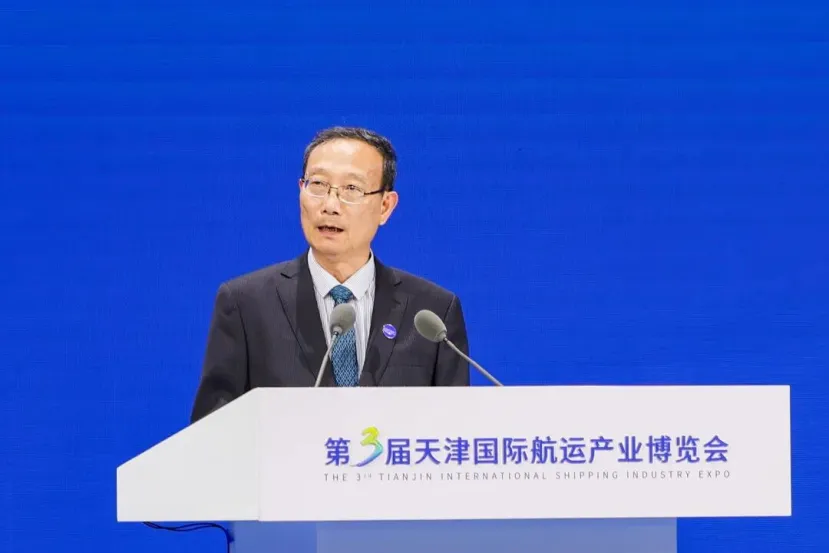 Huang Youfang, Leader of the Research Group on Logistics ESG Standards, Director of the Logistics Teaching Steering Committee under the Ministry of Education, Former President of Shanghai Maritime University
Huang Youfang introduced that amid accelerating global climate change, growing resource shortages and rising corporate awareness of social responsibility, Environmental, Social and Governance (ESG) issues have become landmark factors driving corporate sustainable development. Adopted in 2015, the Paris Agreement set out 17 sustainable development goals covering all dimensions of ESG. The Chinese government attaches great importance to ESG practices and has rolled out a series of policies and measures to encourage enterprises to strengthen ESG disclosure and upgrade ESG management capabilities.
On September 22, 2020, at the General Debate of the 75th Session of the United Nations General Assembly, President Xi Jinping formally put forward China’s carbon peaking and carbon neutrality goals. Pursuing carbon peaking and carbon neutrality represents both an inherent requirement for advancing high-quality economic development and China’s responsibility in building a community with a shared future for mankind. The Ministry of Finance, State-owned Assets Supervision and Administration Commission and China Securities Regulatory Commission have explicitly required central SOEs and listed companies to conduct active ESG disclosure, laying a foundation for further corporate ESG evaluation work.
Nevertheless, ESG challenges and disclosure requirements vary widely across sectors, necessitating industry-specific ESG disclosure standards.
Against this backdrop, the Top 50 Shipping Elites Research Center, together with the Shipping and Logistics Branch of the China Communications and Transportation Association, submitted a project application for an ESG association standard in June 2024 and established the Research Group on China's Logistics ESG Series Standards on August 21 the same year.
Drawing on international ESG documents including ISO IWA 48 Framework for implementing environmental, social and governance (ESG) principles and ISO 14083:2023 Greenhouse gases — Quantification and reporting of greenhouse gas emissions arising from transport chain operations, Amendments to the International Maritime Organization’s 2023 Ship Energy Efficiency Regulations, and the Basic Standards for Corporate Sustainable Disclosure (Trial) jointly issued by nine government authorities (the Ministry of Finance, Ministry of Foreign Affairs, National Development and Reform Commission, Ministry of Industry and Information Technology, Ministry of Ecology and Environment, Ministry of Commerce, People’s Bank of China, State-owned Assets Supervision and Administration Commission and State Administration of Financial Regulation), the research group conducted in-depth and detailed research on ESG disclosure and evaluation practices of China’s international shipping enterprises before developing General Rules for ESG Evaluation of International Shipping and Logistics Enterprises.
During the formulation process, professional input was provided by experts from Yantian International Container Terminals Co., Ltd., COSCO SHIPPING Group Co., Ltd., Tianjin Port (Group) Co., Ltd., China Academy of Transport Science, Water Transport Institute of the Ministry of Transport, Shanghai Maritime University, Environmental Protection Center of the Ministry of Transport, China Shipping Gazette, COSCO SHIPPING Specialized Carriers Co., Ltd., Shanghai Jinjiang Shipping (Group) Co., Ltd., ICBC Financial Leasing Co., Ltd. and other organizations.
The release and implementation of General Rules for ESG Evaluation of International Shipping and Logistics Enterprises will help China’s international shipping and logistics entities — including international water carriers, port operators, international freight forwarders, international multimodal transport operators and non-vessel operating common carriers — standardize and upgrade their ESG management. It addresses the ESG performance concerns and demands of stakeholders including investors, clients, employees and government authorities, and encourages supply chain partners to jointly lift ESG performance. While fostering sustainable development across the whole supply chain, the standards align logistics sector ESG practices with national strategies, elevate the overall image and competitiveness of China’s logistics industry, win recognition and support from the international community, and drive high-quality development of Chinese international shipping and logistics enterprises.
As China’s first ESG standard tailored to industrial characteristics, the global rollout of General Rules for ESG Evaluation of International Shipping and Logistics Enterprises marks a new developmental stage for ESG promotion among domestic shipping and logistics companies. It is expected that more industry organizations will adopt this standard as a benchmark to review their internal ESG progress, pursue continuous optimization and improvement, and collectively lift the overall ESG performance of China’s shipping and logistics sector to new heights.
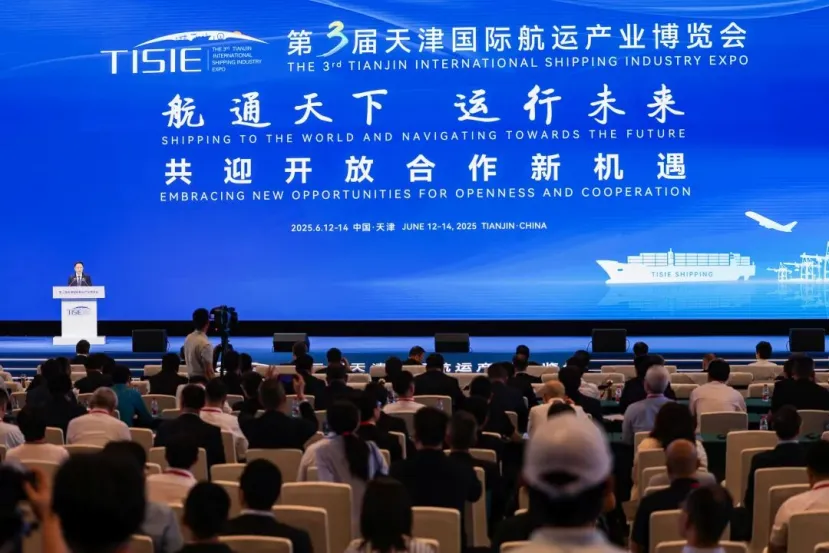 Scene of the Opening Ceremony of the 3rd Tianjin International Shipping Industry Expo
Zhao Yifei, Executive Director of the Expert Committee of the Top 50 Shipping Elites Research Center; Wang Xiuping, Secretary-General of the Shipping and Logistics Branch of the China Communications and Transportation Association; and Zhang Yanchao, Executive Deputy Editor-in-Chief of China Shipping Gazette, were invited to attend the opening ceremony of the 3rd Tianjin International Shipping Industry Expo.
Zhao Yifei delivered a detailed interpretation of the association standard in the afternoon of the same day.
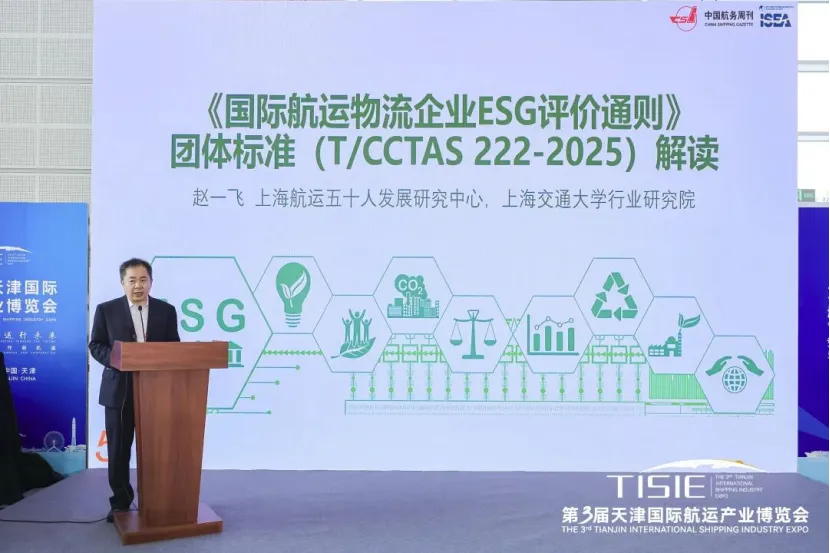 Zhao Yifei, Executive Director of the Expert Committee of the Top 50 Shipping Elites Research Center


